.png?width=193&height=84&name=Logo%20GSC%20(SEA).png)
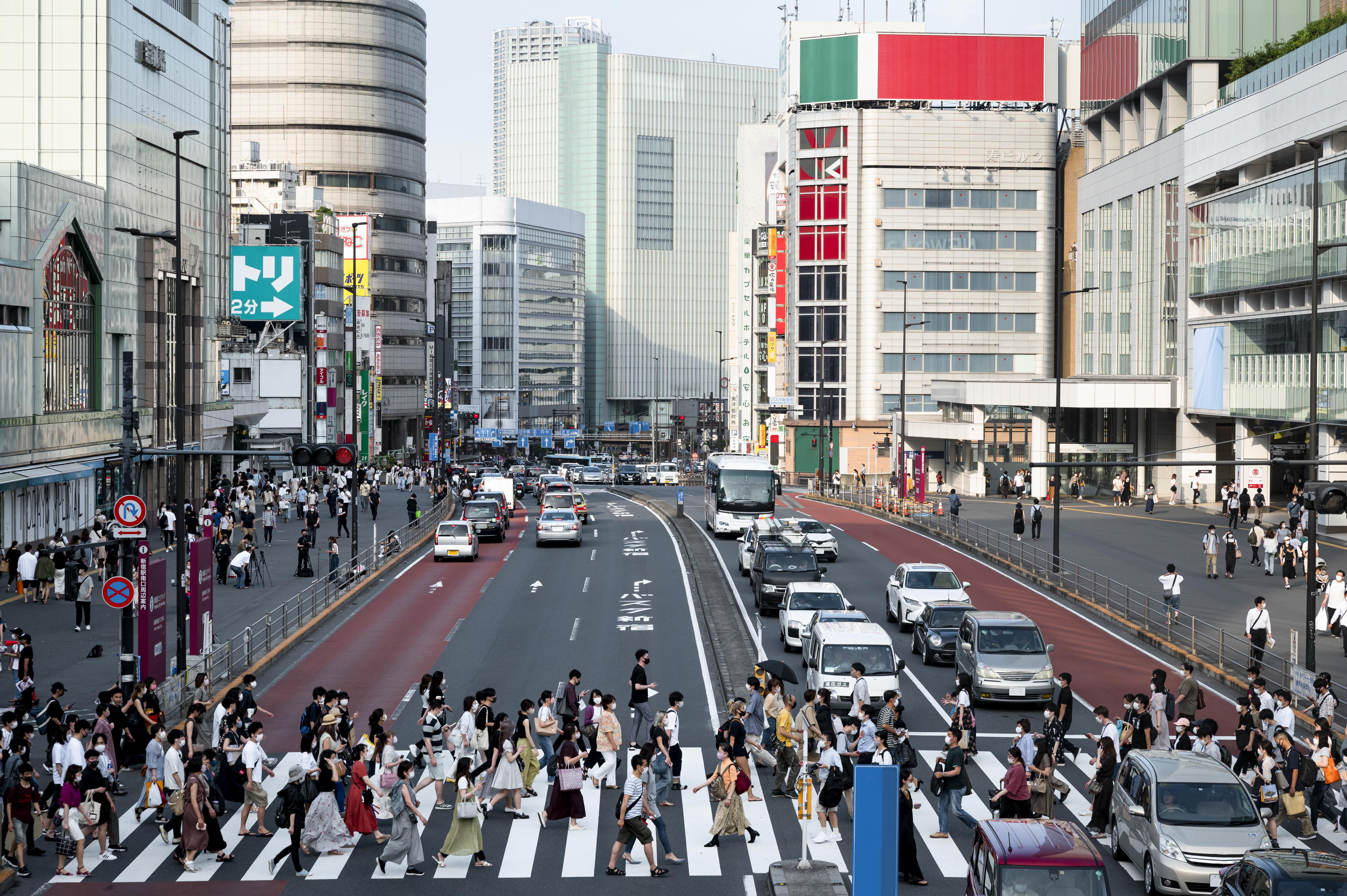
Understanding Japanese manners is not just about being polite. Japan is known to have many unique social and cultural customs as a way to show respect. That's because Japan is a country that places a high value on manners and ethics.
Especially if you plan to work there, understanding the work culture in Japan can be the main key so that your adaptation runs smoothly. Well, of the many rules, there are 6 most basic manners that you really need to know and understand. What are the six manners? Let's discuss them thoroughly in this article!
1. Bow and Greet
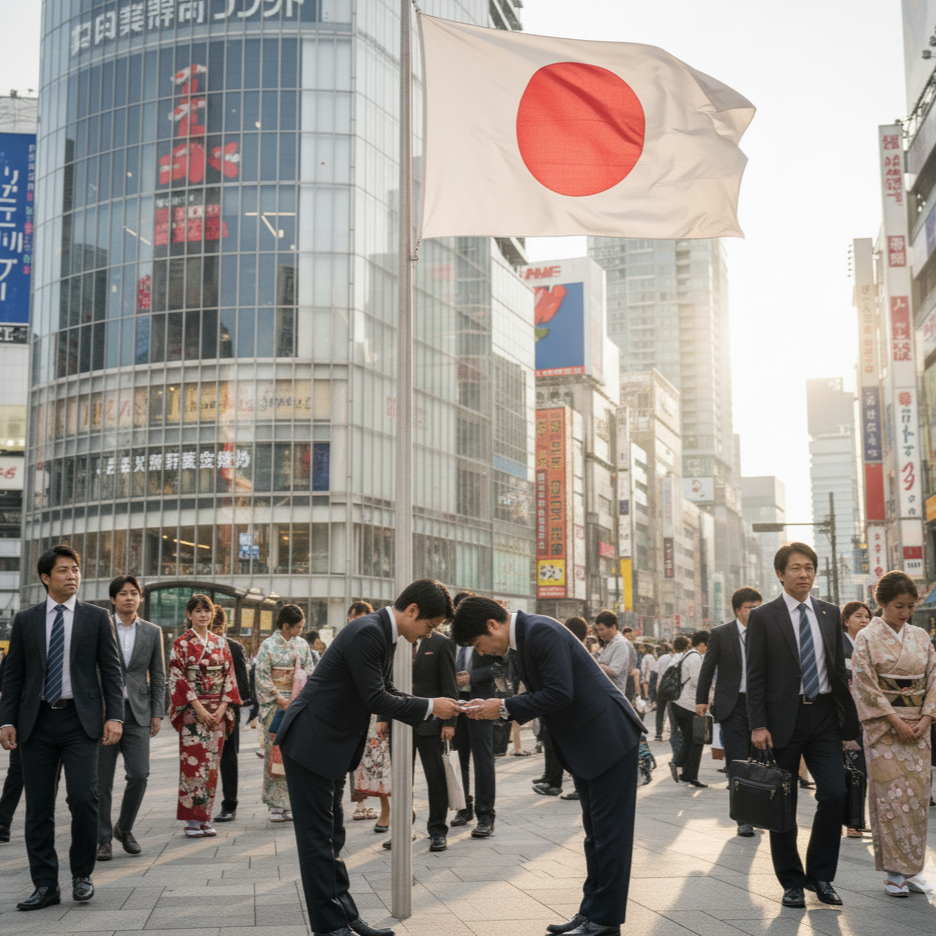
.png?width=400&height=400&name=Gemini_Generated_Image_e1845e1845e1845e%20(1).png) Quoting from the Japan Travel page, one of the most iconic manners in Japan that you will immediately notice is the culture of bowing or ojigi. In Japanese culture, bowing is a very common gesture of greeting and respect. You'll see it everywhere, from businessmen and train conductors bowing deeply, to people talking on the phone sometimes spontaneously nodding along.
Quoting from the Japan Travel page, one of the most iconic manners in Japan that you will immediately notice is the culture of bowing or ojigi. In Japanese culture, bowing is a very common gesture of greeting and respect. You'll see it everywhere, from businessmen and train conductors bowing deeply, to people talking on the phone sometimes spontaneously nodding along.
2. Punctual Culture
If there's one thing that's synonymous with Japanese culture, it's time discipline. Being on time is not just a good habit, but a very basic form of respect for others.
Uniquely, 'being on time' for the Japanese often means arriving 5-10 minutes before the appointed time. Arriving early to prepare yourself has become an unwritten standard. If you have an appointment, meeting, or job interview, make sure to practice this to give a professional and serious first impression.
3. Take Off Shoes in the Room
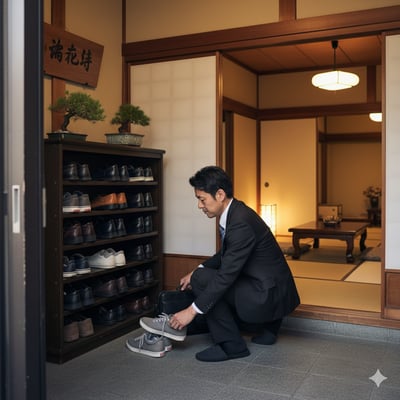
Don't be surprised, taking off your shoes before entering the room is one of the most entrenched Japanese cultures that you must follow. This custom developed from the Japanese history of sitting or sleeping on the floor with tatami mats.
This custom has a simple rule: you must take off your shoes at the entrance area, precisely at the doorway, then use the indoor slippers provided. Afterward, place your shoes neatly in the shoe box or next to it.
4. Pointing is Prohibited
Quoting from the Ryusei website, it may sound trivial to us, but in Japanese culture, pointing directly at someone or an object using the index finger is highly avoided. This gesture is considered rude and can even feel threatening to locals. Therefore, Japanese manners teach a much more subtle way of giving hints or gestures.
5. Smoking in Free Places
Contrary to the notion of being 'free', Japanese manners are actually very strict when it comes to smoking. You can't smoke while walking on the sidewalk or throw butts on the ground, both of these actions are prohibited and subject to fines. It's an important part of Japanese etiquette to keep public spaces clean and comfortable.
So, where can you smoke? The Japanese government has provided designated spaces for smoking in many public places. If you want to smoke, the easiest way to find the nearest area is to search for it through an app on your phone.
6. Keeping Quiet on Public Transportation
One of the core tenets of Japanese culture is a high sense of consideration and tolerance for others. This principle is especially true when you're in a crowded public place.
Japanese manners teach you to always avoid talking too loudly in a crowd. Joking and laughing with friends is fine, but try not to raise your voice or shout, as it can be perceived as a nuisance and attract negative attention.
Knowing these manners is not just about following rules, but about appreciating the existing social harmony. By equipping yourself with good manners, you will not only find it easier to adapt, but also show sincere respect for Japanese society and culture from the day you arrive.
.png)